




Product Description
Basil Genovese is the traditional herb used in Italian pesto and sauces. The bushy plants produce medium-green leaves with a rich flavor and a pleasant herbal fragrance. Basil is a favorite of home cooks worldwide and can be used in many dishes, such as sauces, salads, sandwiches, cocktails, and even as a garnish to a fresh fruit sorbet. These heirloom basil seeds are part of The Seeds That Built America collection by Harvesting History and are made in the USA!
Planting and Care
Plant your basil in a location with full sun and sow the seeds in late spring after the danger of frost has passed and the soil has warmed. Seeds should be placed at a depth of 6 inches. Rows should be 12 inches apart. When seedlings are 2 inches high, thin them, leaving 6-8 inches between plants. Seeds germinate in 7-10 days and reach maturity in 40 days.
Harvest throughout the season by aggressively cutting the tops off the plants. For best results, do not let the plants flower. However, if blossoms occur, they are edible. Basil is best when consumed fresh, but it can also be stored. The best way to store basil is to make a paste of pureed leaves and olive oil, freeze it in ice cube trays, and store the "basil ice cubes" in sealed plastic freezer bags. Stored in this way, the basil can last up to a year. Basil is an annual herb that must be planted every year, but it can also thrive in greenhouses year-round or in a sunny spot in your kitchen.
Inspiration
Basil has been cultivated by humankind since prehistoric times and is one of the most universally loved herbs on the planet, grown and consumed on every continent. The plant has been grown for thousands of years for both its culinary and medicinal benefits. Basil is native to India, Africa, and Asia, and was brought to North America by the early colonists.
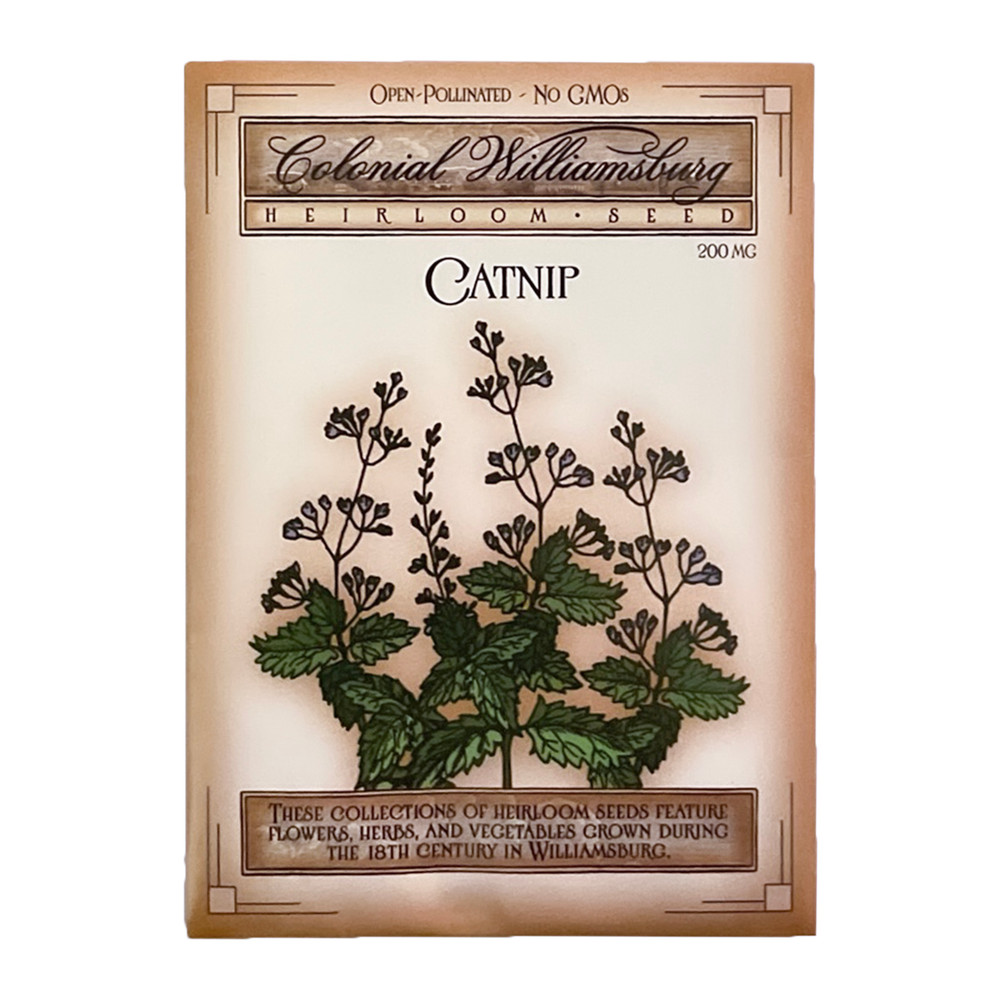
Eighteenth-century Williamsburg was the home of many ardent gardeners and plant collectors who often exchanged seeds with fellow enthusiasts in Great Britain. Gardeners obtained their seeds from store merchants or from traveling seedsmen. Today, the Colonial Williamsburg seed program continues the tradition by offering many varieties grown in the 18th century.