


Product Description
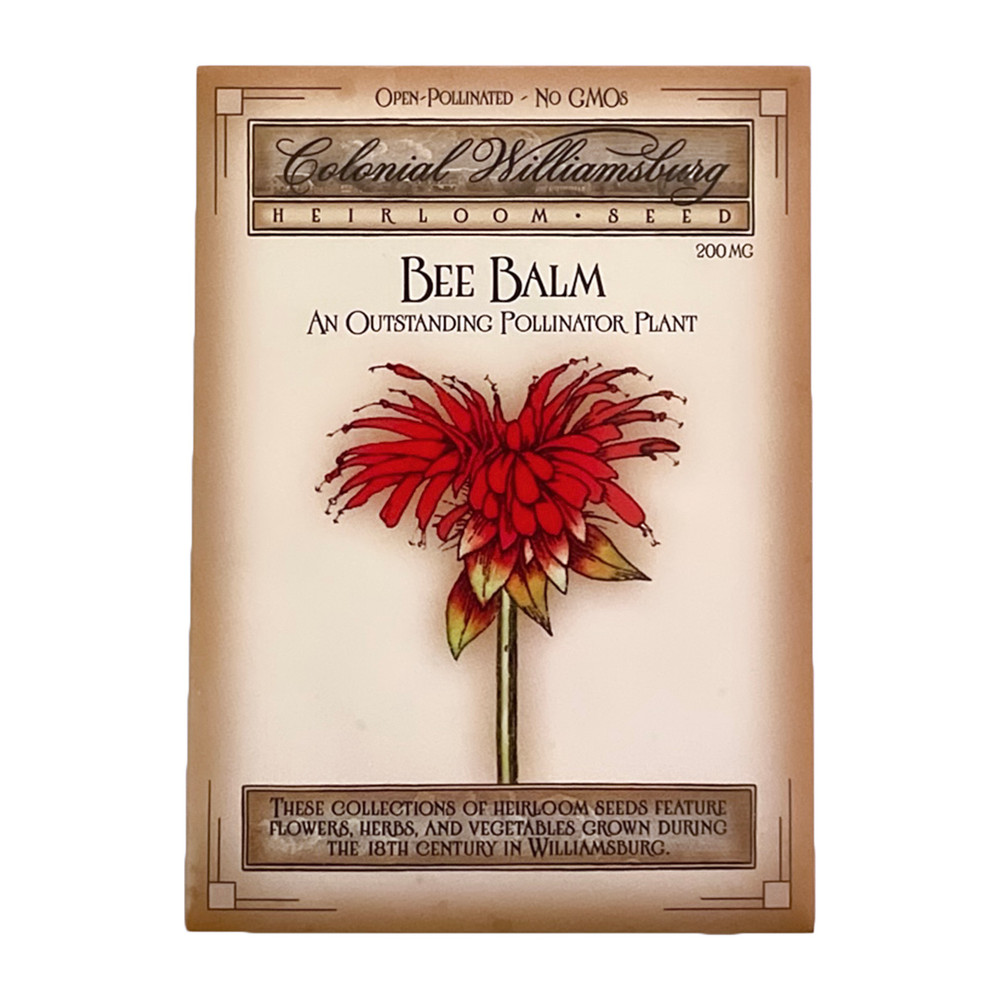
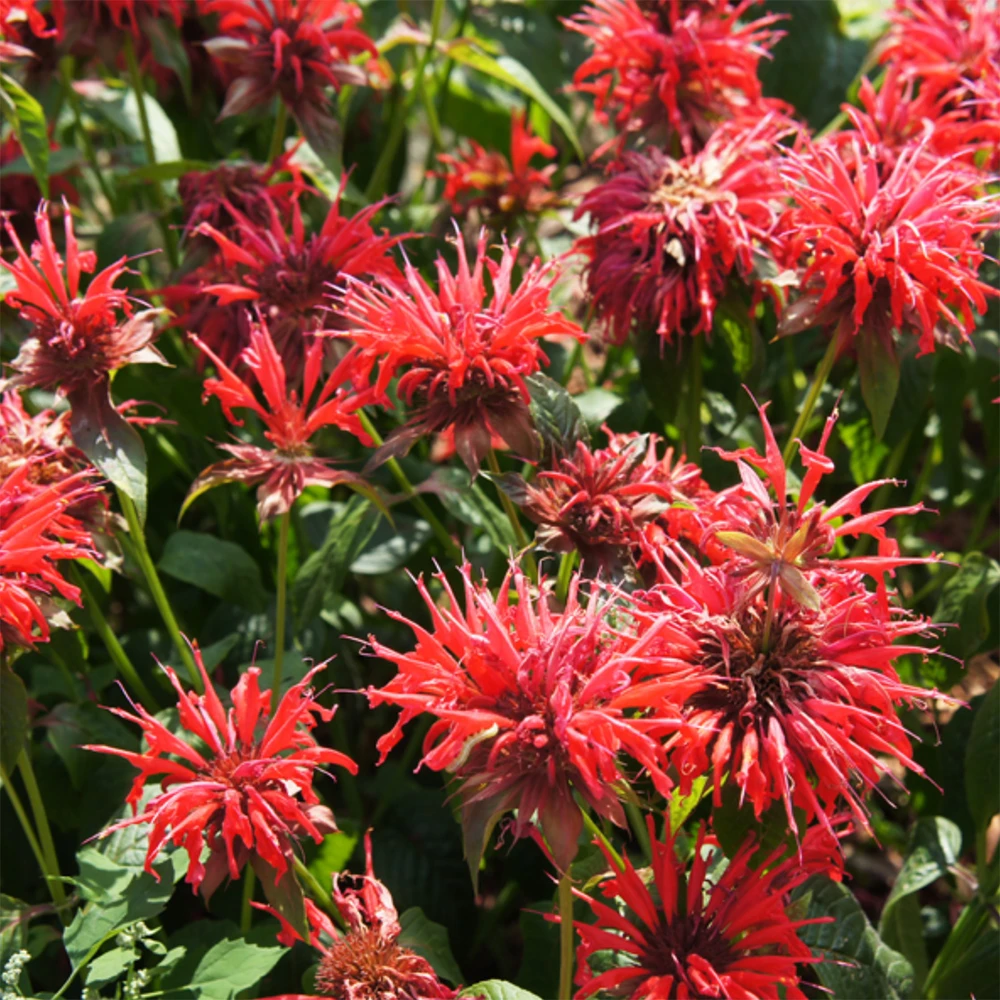
Create your very own historically inspired garden with this packet of Heirloom Bee Balm Seeds. Native to North American prairies, Bee Balm (Monarda) is valued for its exceptional ability to attract bees, hummingbirds, and butterflies, making it an outstanding pollinator plant. It belongs to the mint family and its red blossoms last for weeks, beginning in the summer following a fall planting. Bee Balm plants are tolerant of drought, heat, and poor soil. These heirloom bee balm seeds are part of The Seeds That Built America collection by Harvesting History and are made in the USA!
Planting and Care
Monarda started from seed does not bloom the first year unless the seed is planted the prior autumn. Monarda needs a compost-rich soil and does best in full sun except in Zones 7-8, where it can tolerate partial shade. It is hardy in Zones 4-8. The plants will grow to about 30-36 inches tall. It is best to plant Monarda in the fall, but if planting in the spring, set the seeds once all danger of frost has passed. In the fall, leave the seed to germinate in the spring. If seeding in the spring, moisten the soil and keep it slightly moist until germination. Once the plants have been established for 2-3 years, they can be dug up in the fall and separated.
Plant in Full Sun, 8-10 inches apart at a 1/2 inch depth. Seeds germinate in 14-21 days, and flowers blossom in 180 days.
Inspiration
Bee Balm and Wild Bergamot are part of the Monarda family of plants. The Monardas are native North American prairie flowers that have been part of Native American medicinal and culinary cultures since mankind began inhabiting the North American continent. The name Monarda comes from the Spanish botanist Nicolas Monardes, who described many of the qualities of American medicinal plants in a book he wrote in 1571.
Eighteenth-century Williamsburg was the home of many ardent gardeners and plant collectors who often exchanged seeds with fellow enthusiasts in Great Britain. Gardeners obtained their seeds from store merchants or from traveling seedsmen. Today, the Colonial Williamsburg seed program continues the tradition by offering many varieties grown in the 18th century.