





Product Description
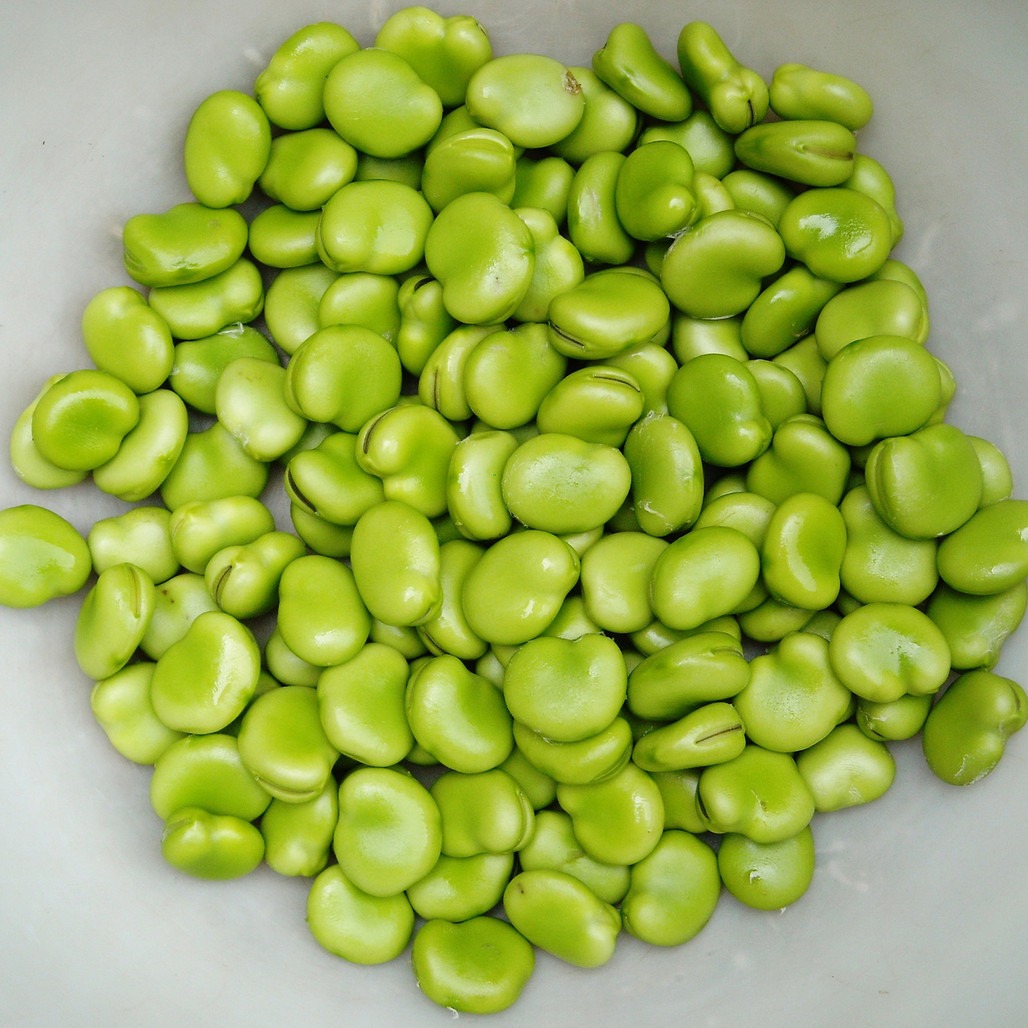
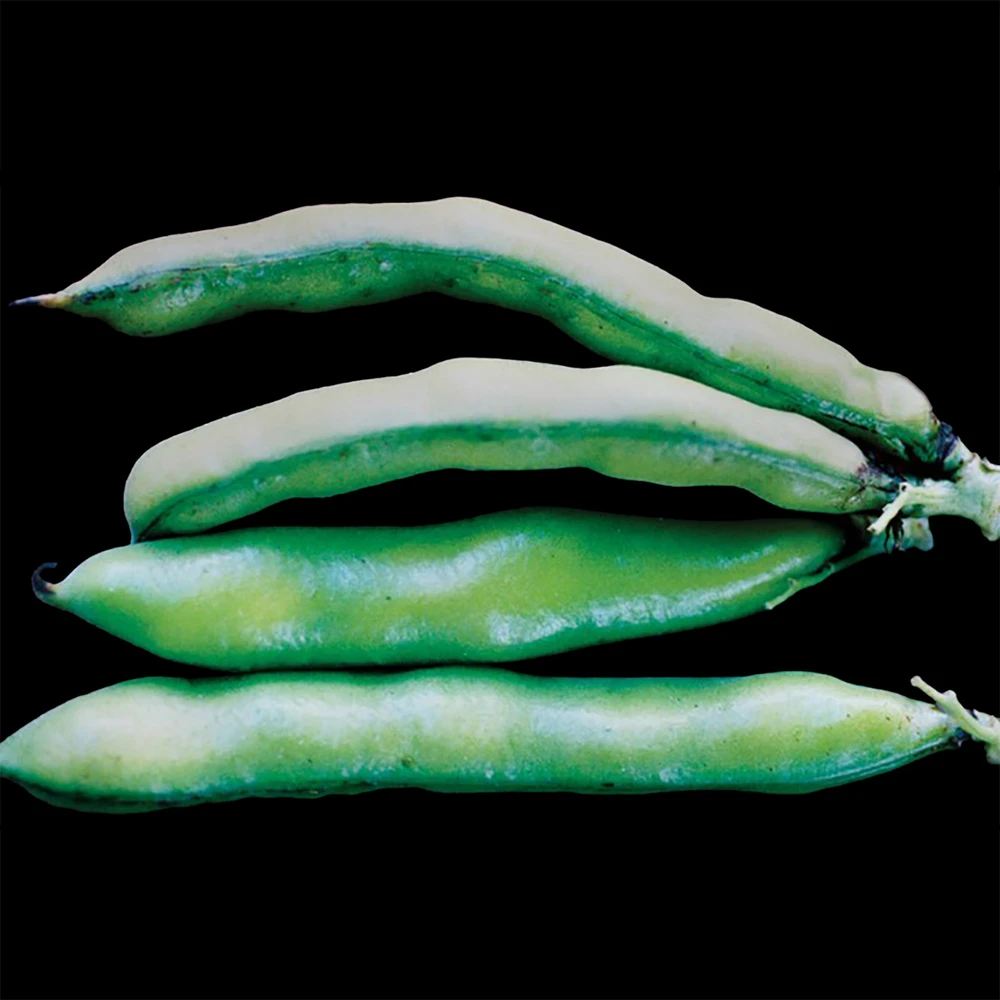
Heirloom Broad Fava Beans (Vicia faba) will grow in cold climates where other beans flounder. They are nutritious with a good nutty flavor. Broad Windsor is a very, very old variety that has been grown in North America since the 1600s. Large pods contain 4-7 very large beans, and plants can reach 4 feet tall. Great on their own and in salads. These heirloom fava bean seeds are part of The Seeds That Built America collection by Harvesting History and are made in the USA!
Planting and Care
Plant your Heirloom Broad Bean Seeds in a location with full sun at a depth of 1.5 inches and space rows 3-4 feet apart. Beans prefer a light, loamy soil that has been lightly fertilized. Sow them in early spring in Northern climates. Plant early enough so that flowering occurs before daytime temperatures exceed 70 degrees. Plant in October-December in coastal or mild climates.
Fava bean seeds germinate in about 7-10 days. When seedlings are 2 inches tall, thin them, leaving 4–6 inches between plants. Broad Beans reach maturity in 75 days. Unlike most other beans, favas will tolerate some frost and prefer cool, rainy weather. Fava beans are huge, about the size of quarters, and range in color from pale green and gold to deep purple.
Inspiration
Beans are native to Africa and the Middle East and are one of humankind’s oldest cultivated plants. The oldest archaeological evidence of common beans in the New World comes from Tehuacan, Mexico, and has been radiocarbon dated to 7000 BC.
Favas are an ancient variety, eaten as far back as the Stone Age. Evidence of favas has been found in Bronze Age archaeological deposits in Switzerland. Prior to Columbus's voyages to America, favas were the only beans known in Europe. The beans were first cultivated around 4800 BC near Sicily, Italy. The famous Roman family of Fabius derived their name from faba, which is Latin for fava.
Before snap beans were introduced to Europe, the fava bean was the most widely consumed bean in Europe. The fava bean lost favor in Europe after the introduction of snap beans because it has a leathery skin that must be removed before eating. Fava beans are one of the few beans that can be eaten fresh or dried and ground into a meal, similar to cornmeal, for making bread.
Beans were incredibly popular in North America, and were a staple food for American Indians long before the colonists arrived. Take a deep dive into all things bean and discover delicious recipes in the Trend and Tradition article "Snapping It Up."
Eighteenth-century Williamsburg was the home of many ardent gardeners and plant collectors who often exchanged seeds with fellow enthusiasts in Great Britain. Gardeners obtained their seeds from store merchants or from traveling seedsmen. Today, the Colonial Williamsburg seed program continues the tradition by offering many varieties grown in the 18th century.