



Product Description
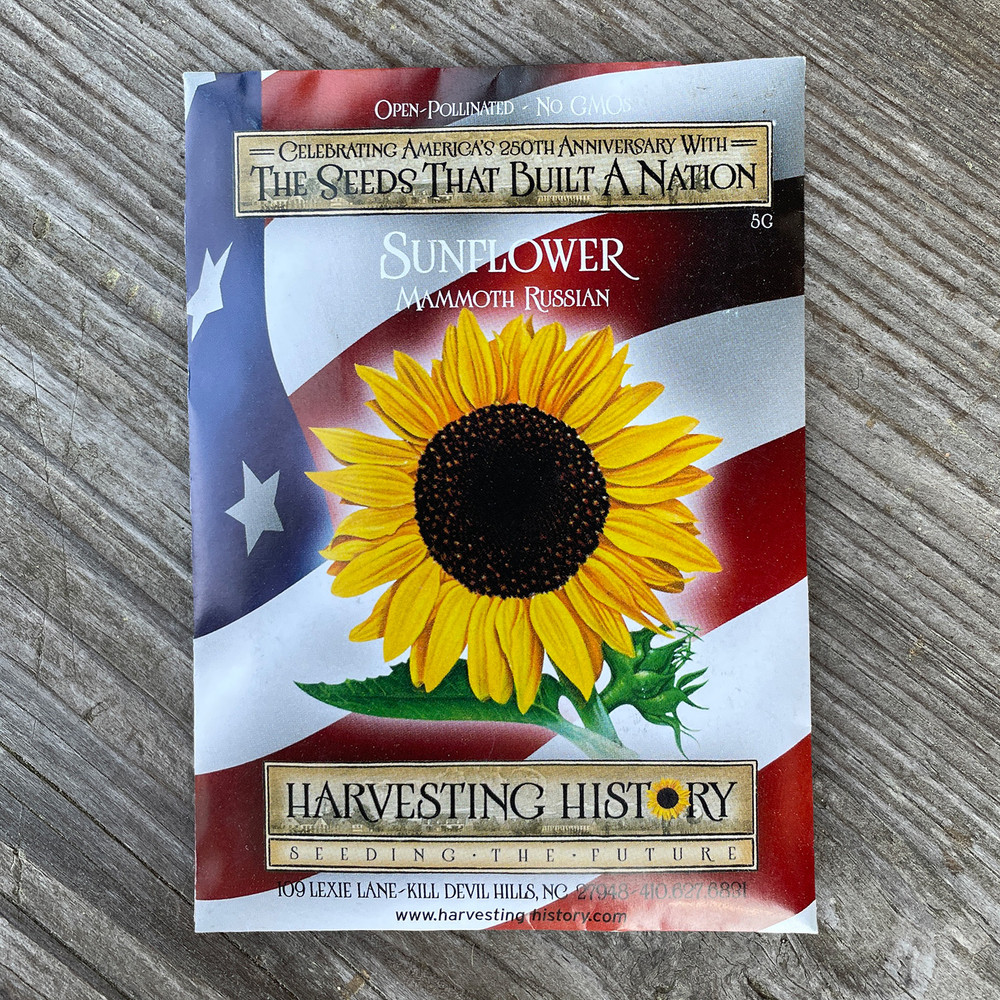
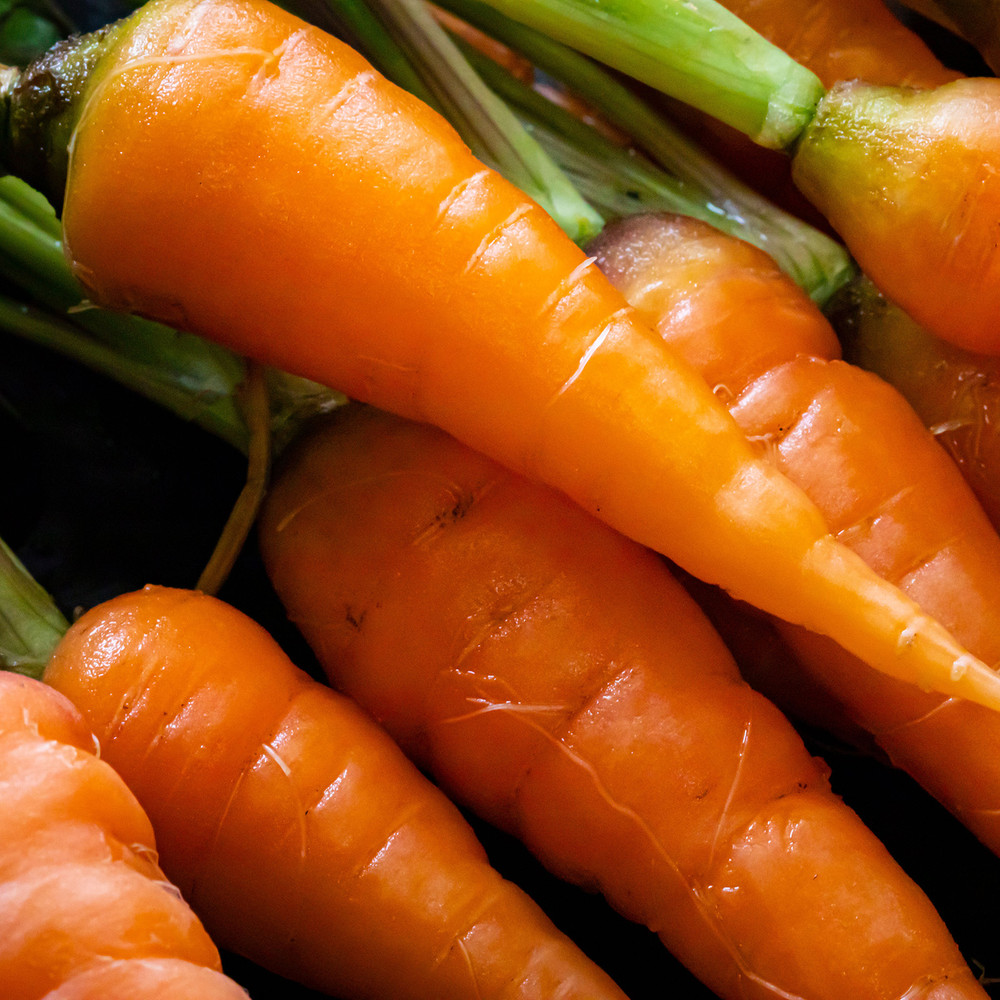
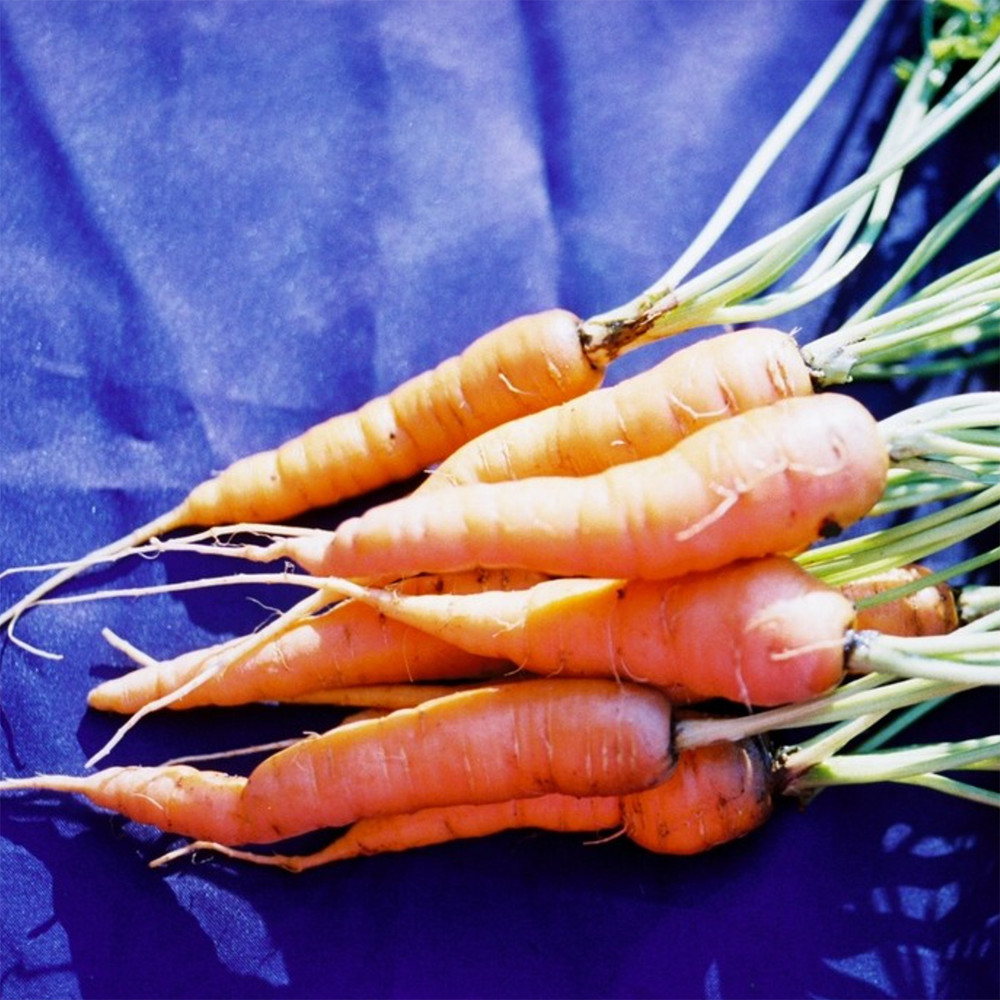
Danvers Half Long Carrots feature a 6-8-inch long root with a mostly coreless center. They tolerate many soil conditions and store well. This variety of carrots is a truly American heirloom, having been developed by market gardeners in Danvers, Massachusetts, in 1871. These heirloom Danvers Half Long Carrot seeds are part of The Seeds That Built America collection by Harvesting History and are made in the USA!
Planting and Care
Danvers can be sown in the early spring for a summer crop and in early summer for a fall crop. Soak the seed for 12 hours before planting. Mix the seed with soil or wood ashes before planting to improve distribution. In the spring, plant as soon as the ground can be worked. Soil should be deeply spaded before planting and amended with bone meal for stronger root development and lime to sweeten the carrots. Rows should be 6-8 inches apart. When seedlings are 2 inches high, thin, leaving 3 inches between plants. Maintain moderate and even watering.
Seeds germinate in 14-21 days, and plants meet maturity in 75 days. Hardy in zones 3-12.
Inspiration
Carrots (Daucus carota sativa) are native to the Mediterranean and parts of Asia. Wild carrots, which come in a variety of colors, have been foraged by indigenous peoples for millennia.
The carrot grows wild throughout the Mediterranean and as far east as Asia. The region around Afghanistan may have been where the first carrots, which were purple, red, or white, originated. Yellow carrots were first recorded in Turkey in the 900s. However, it was not until the 1600s that the first orange carrot was developed by the Dutch in Holland.
In the United States, there appears to have been little interest in the root. The French became passionate about the orange vegetable, and in the second half of the 19th century, the famous French seed house, Vilmorin-Andrieux, initiated a vigorous carrot development program. Many of today's varieties were developed during that time.
Eighteenth-century Williamsburg was the home of many ardent gardeners and plant collectors who often exchanged seeds with fellow enthusiasts in Great Britain. Gardeners obtained their seeds from store merchants or from traveling seedsmen. Today, the Colonial Williamsburg seed program continues the tradition by offering many varieties grown in the 18th century.