


Product Description
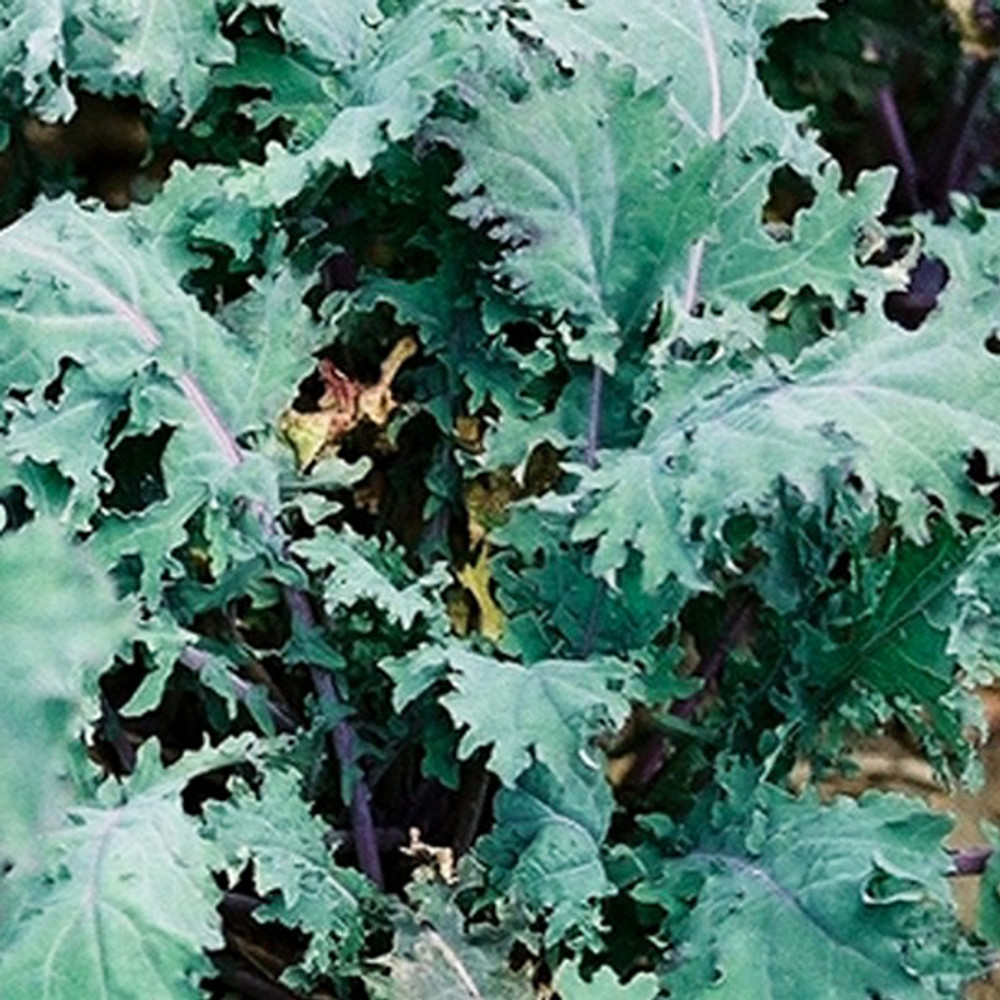
The beautiful dark green leaves of the Dwarf Siberian Kale plant are densely crimped and tightly curled, a quality loved by chefs for their ability to hold sauces and dressings in a dish while maintaining their shape. Kale is nutritious and delicious, and can be eaten raw or cooked. Warm kale salads, stewed in chicken broth with small potatoes, or steamed and added to an omelet or quiche are some of our favorite ways to enjoy fresh kale. You'll even find kale pesto on the menu seasonally at the Williamsburg Inn. Kale is also elegant in floral arrangements or as a garnish on a fanciful dish, especially roasts, whole birds, and fish. These heirloom kale seeds are part of The Seeds That Built America collection by Harvesting History and are made in the USA!
Planting and Care
Kale thrives in cool weather. It can be sown in mid-summer and harvested throughout the fall and early winter. The soil should be deeply spaded before planting. Adding lime to the soil before planting will sweeten kale. Plant at a 1-inch depth, 12-15 inches apart, in rows 2 feet apart. When seedlings are 2 inches high, thin, leaving 12-15 inches between plants. Exposure to frost sweetens kale. For the best flavor, harvest after several frosts.
Inspiration
Kale is believed to be one of the oldest descendants of the original wild cabbage. It has been cultivated for millennia. Dwarf Siberian Kale (Brassica oleracea var. acephala) is native to Europe and parts of Asia.
Eighteenth-century Williamsburg was the home of many ardent gardeners and plant collectors who often exchanged seeds with fellow enthusiasts in Great Britain. Gardeners obtained their seeds from store merchants or from traveling seedsmen. Today, the Colonial Williamsburg seed program continues the tradition by offering many varieties grown in the 18th century.