


Product Description
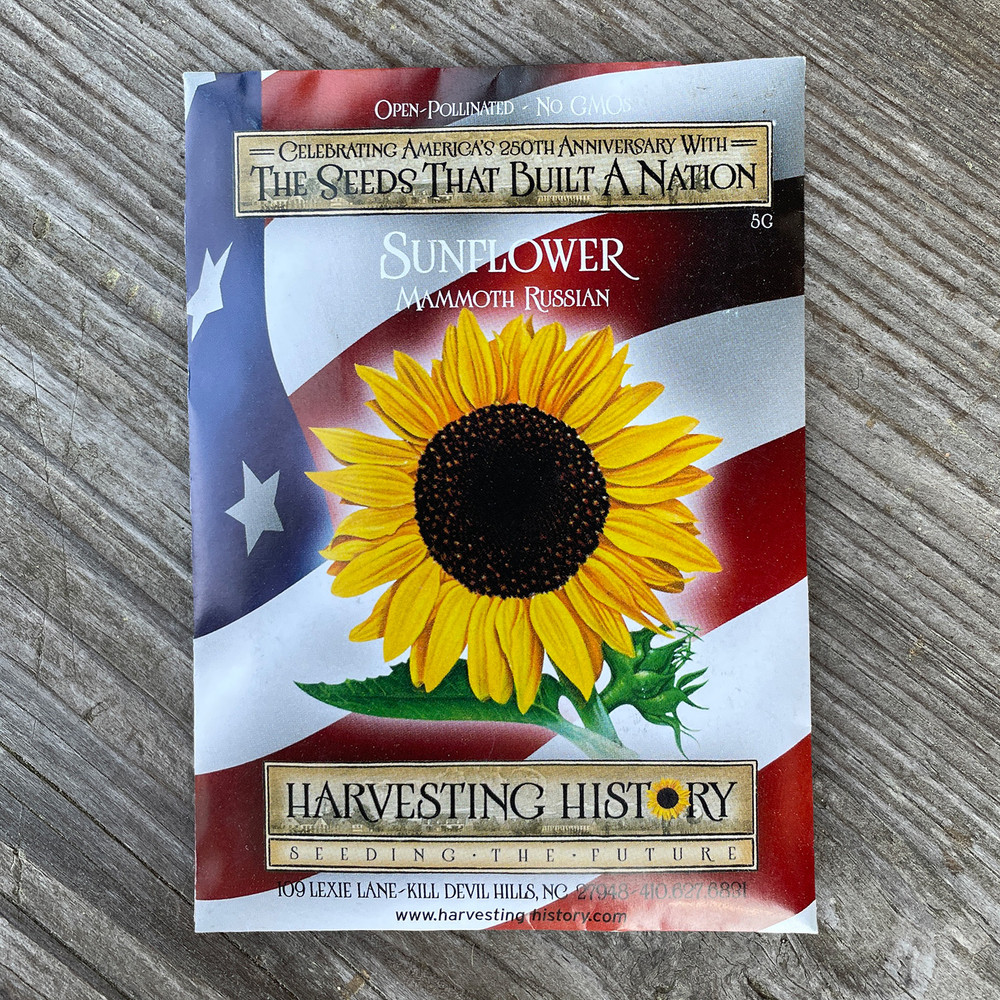
Cimarron may be the most beautiful romaine lettuce with its pink veins and bronze leaves. The lettuce heads can grow up to 12 inches tall and 4 inches in diameter, but this lettuce is best harvested young before heading for the best flavor. These heirloom red romaine lettuce seeds are part of The Seeds That Built America collection by Harvesting History and are made in the USA!
Planting and Care
Cimarron lettuce can be sown in the early spring for a summer crop and in mid-summer for a fall-winter crop, and needs full sun to thrive.
Plant your cimarron seeds 1 inch deep and 8-10 inches apart, directly into the ground, as soon as the soil can be worked in the spring. The soil should be deeply spaded before planting, and the rows should be 12-18 inches apart. When the seedlings are 2 inches high, thin them, leaving 8-12 inches between plants. The spinach seeds will germinate in 14-21 days, and plants mature in about 60 days. Adding lime to the soil before planting will sweeten the lettuce.
Inspiration
Lettuce is native to many parts of the world and has been cultivated since at least the 6th century BCE. It is a staple food crop for most of the world’s cultures.
Cimarron, introduced in the 1700s, has a superb flavor and is one of the most beautiful lettuces with its pink and bronze colors.
Lettuce appears to have been domesticated from a weedy species of wild lettuce that produced lettuce leaves on the top of a tall stem. Evidence supporting this theory comes from Egyptian tomb paintings dating back 4500 years, which depict bundles of stem lettuce being transported.
The earliest written accounts of lettuce come from Herodotus, who noted that it appeared on the royal tables in Persia in 550 BC. The Greeks, including Hippocrates, ascribed medicinal properties to lettuce, and the Romans wrote extensively about it; Pliny, for example, described nine varieties grown in Roman agriculture. It was probably the Romans who introduced lettuce into northern and western Europe.
The Romans popularized a tall, cylindrical form of head lettuce, which they found growing on the Greek island of Cos. This lettuce became so popular in Rome that it took the name "romaine," after the Eternal City. Romaine lettuce is still often referred to as “cos lettuce” in honor of its original birthplace, the Greek island of Cos.
Lettuce was among the first vegetables brought from Europe to the Americas during colonization. In 1494, its presence on Isabela Island is mentioned in the writings of Peter Martyr. This suggests that Columbus may have brought the vegetable on his second voyage.
In the early years of the United States, a variety of lettuces were grown.
Eighteenth-century Williamsburg was the home of many ardent gardeners and plant collectors who often exchanged seeds with fellow enthusiasts in Great Britain. Gardeners obtained their seeds from store merchants or from traveling seedsmen. Today, the Colonial Williamsburg seed program continues the tradition by offering many varieties grown in the 18th century.