


Product Description
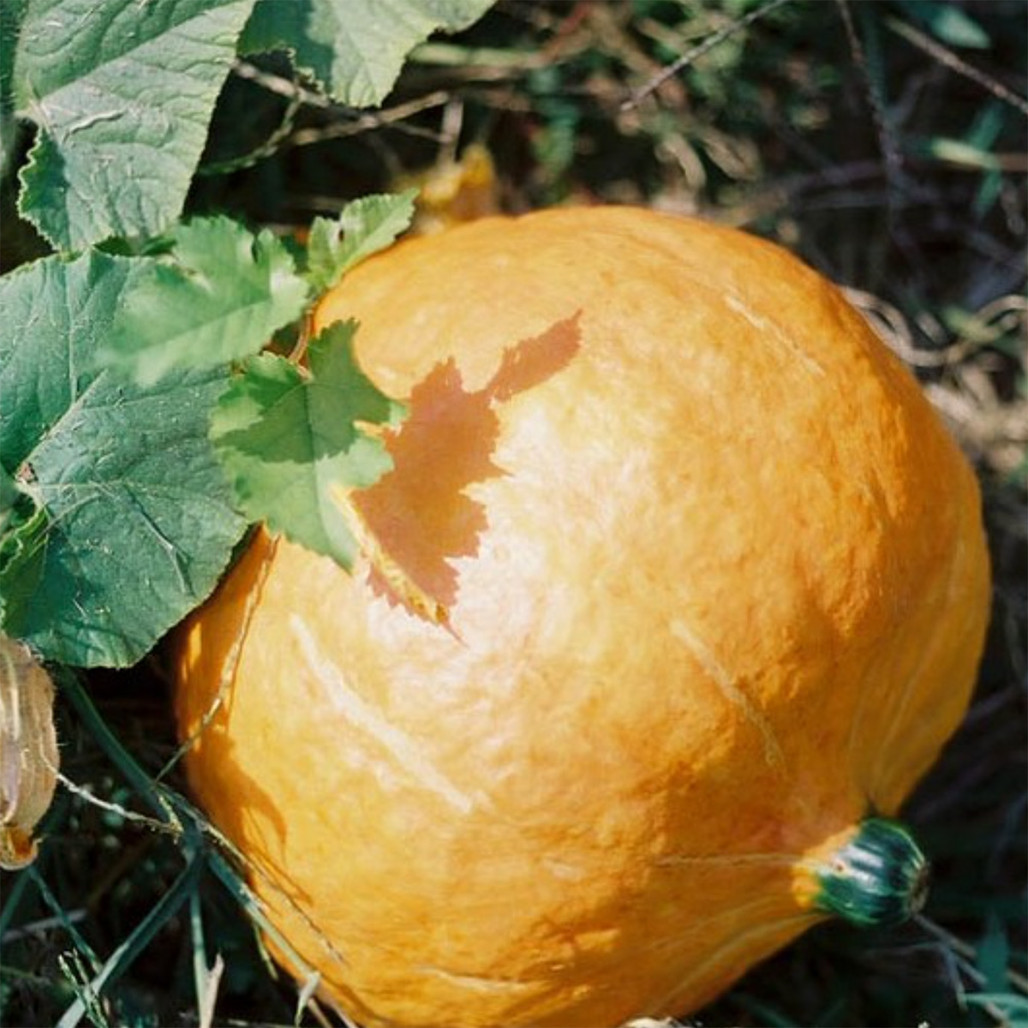
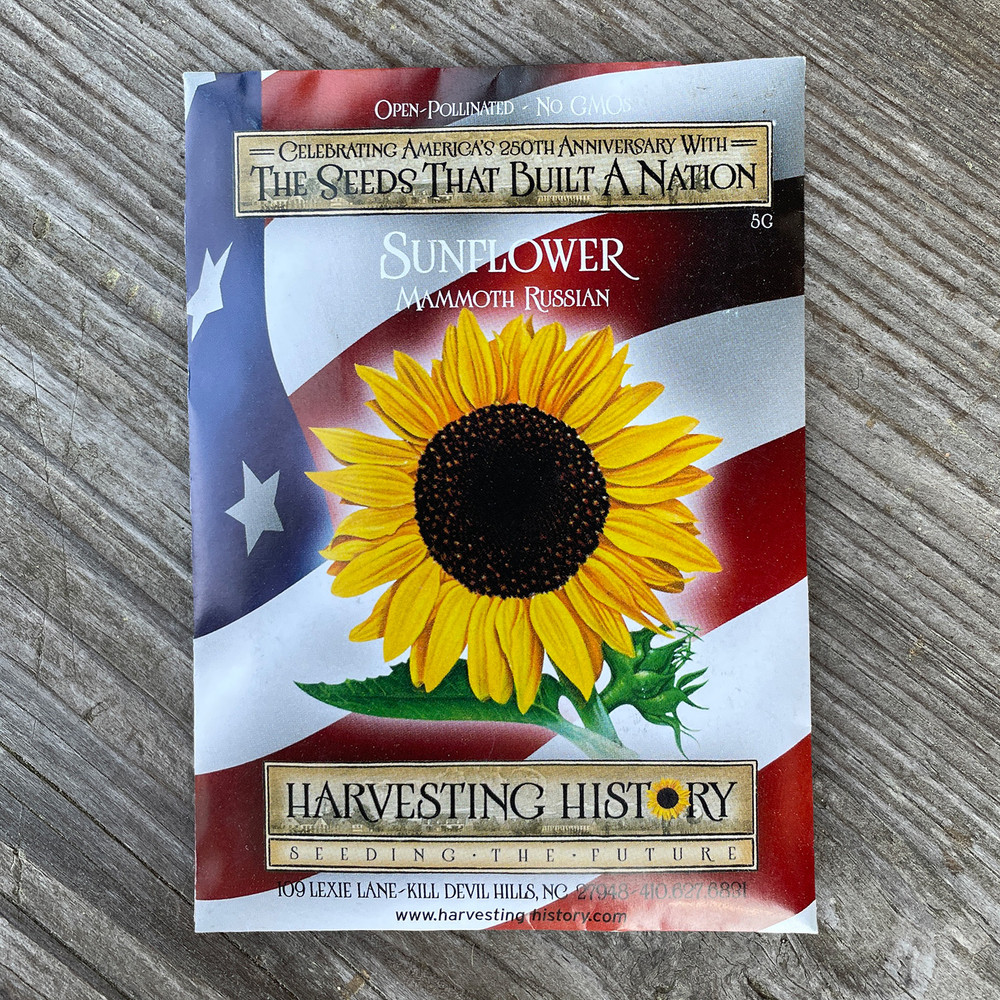
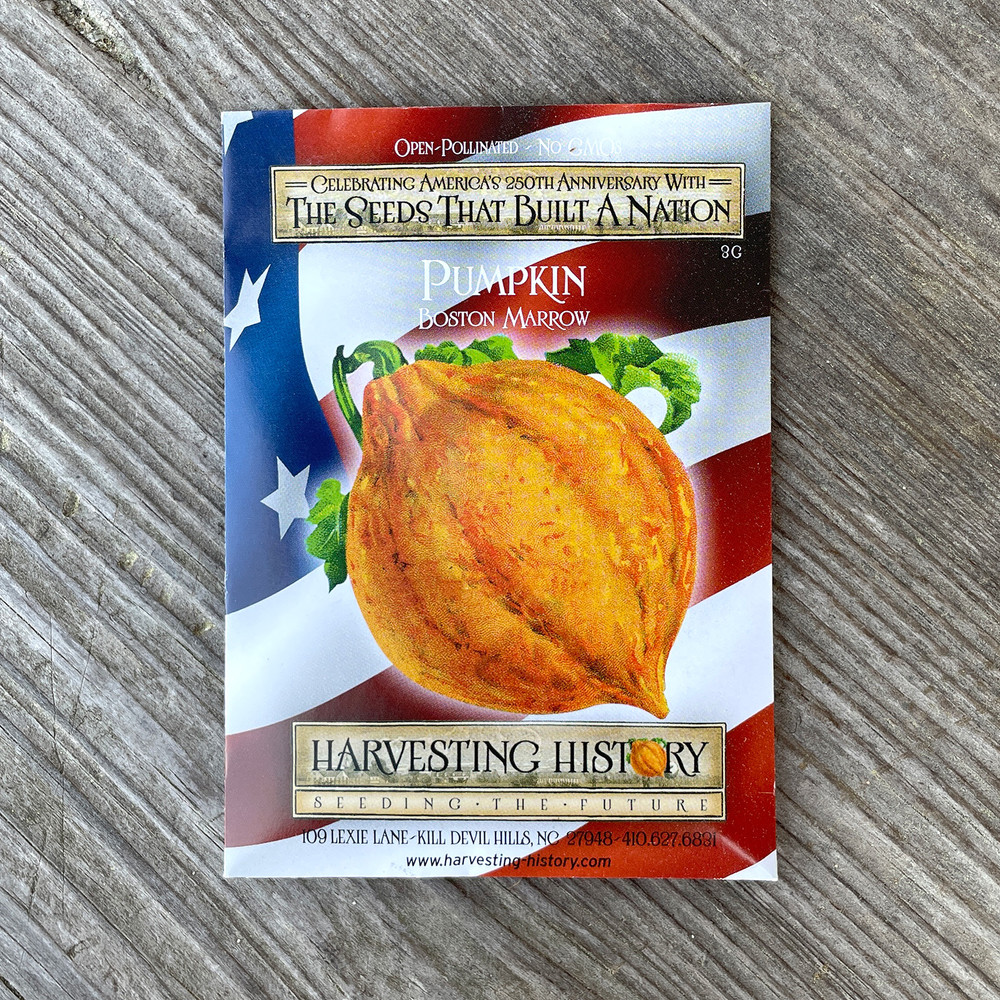
Boston Marrow Pumpkins have bright reddish-orange skin and deep orange flesh. The flesh is fine-grained, tender, sweet, and full of flavor - perfect for baking and cooking. For more than 100 years, the Boston Marrow was the predominant pumpkin used in pumpkin pies. Fruits are large, weighing about 10-20 pounds each, and the vines reach 6-8 feet in length. These heirloom Boston Marrow Pumpkin seeds are part of The Seeds That Built America collection by Harvesting History and are made in the USA!
Planting and Care
Plant the seeds directly into the ground in full sun in late spring (June) after the danger of frost has passed and the soil has warmed. Sow seeds at a depth of 1 inch, 8 inches apart. Plant in hills, 4 feet apart. When seedlings are 3 inches high, thin, leaving 4 plants per hill. Well-rotted manure or compost dug into the soil where the seeds are to be planted is highly beneficial. Prepare the soil with manure or compost 4 weeks prior to planting.
The seeds will germinate in 7-10 days and reach maturity in 110 days. Harvest fruits only after they are fully matured and just before the first frost. Remove from the vine, leaving part of the stem attached to the fruit. Store in a moderately warm, dry area.
Pro Tip: The way to protect your pumpkins from squash borers is to plant them from seed in late June. Another deterrent is to plant radishes and nasturtiums in your squash patch. The Clearwing Moth does not like either of these two plants, especially the radish.
Inspiration
Boston Marrow Pumpkins were introduced to the United States before 1831. This wonderful pumpkin was traded from the Iroquois, but may actually have been a Chilean pumpkin that made its way into North America earlier. Cucurbita maxima is native to Bolivia and Argentina. They are the biggest fruits on earth. Some weigh more than 1000 pounds! The first maximas appeared in seed lists around 1830. Today's giant pumpkins have all descended from a popular French maxima variety known as Jaune Gros de Paris.
Squash, beans, and corn, known as the "Three Sisters," formed the trinity of the staple diet of Native Americans. Remains of wild or possibly cultivated squash have been found in Mexico dating to 9000 BCE. Similar archaeological evidence has been unearthed in South America, Central America, and North America.
Eighteenth-century Williamsburg was the home of many ardent gardeners and plant collectors who often exchanged seeds with fellow enthusiasts in Great Britain. Gardeners obtained their seeds from store merchants or from traveling seedsmen. Today, the Colonial Williamsburg seed program continues the tradition by offering many varieties grown in the 18th century.