


Product Description
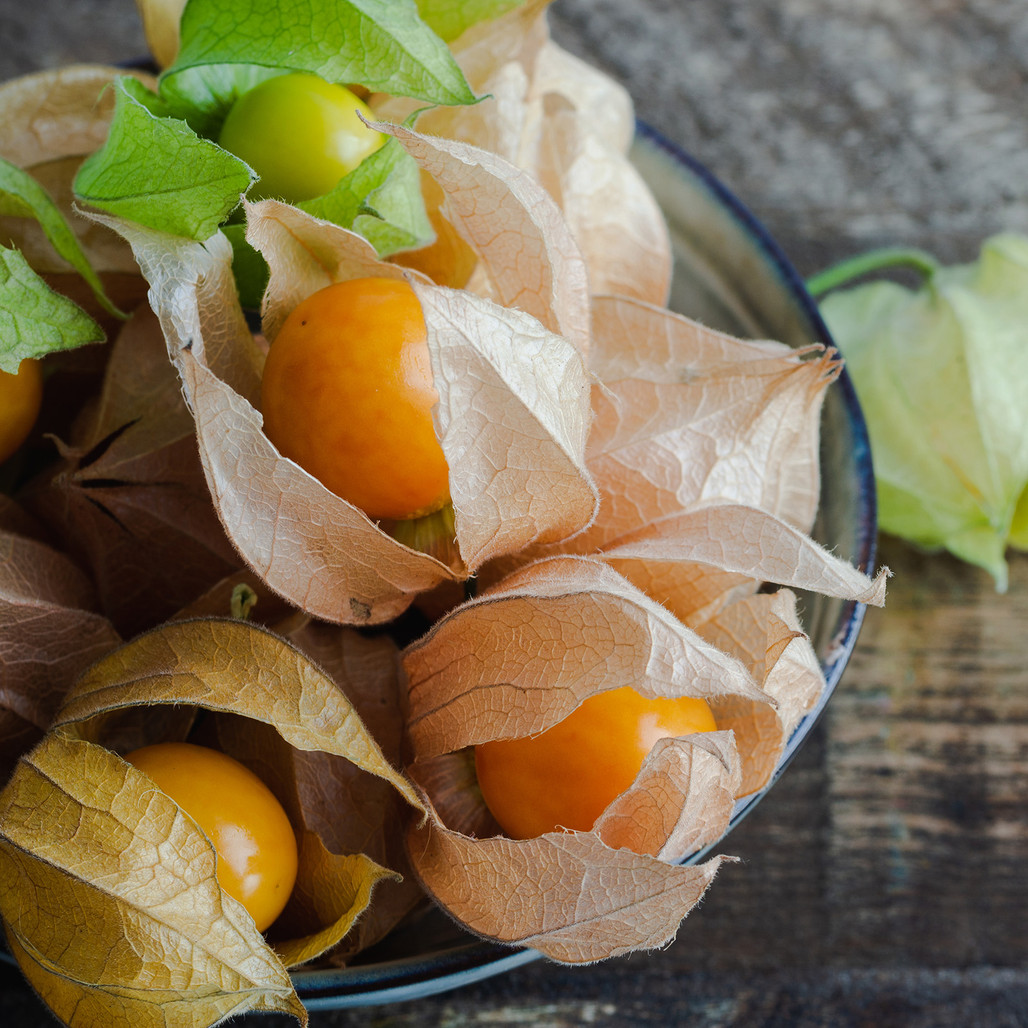
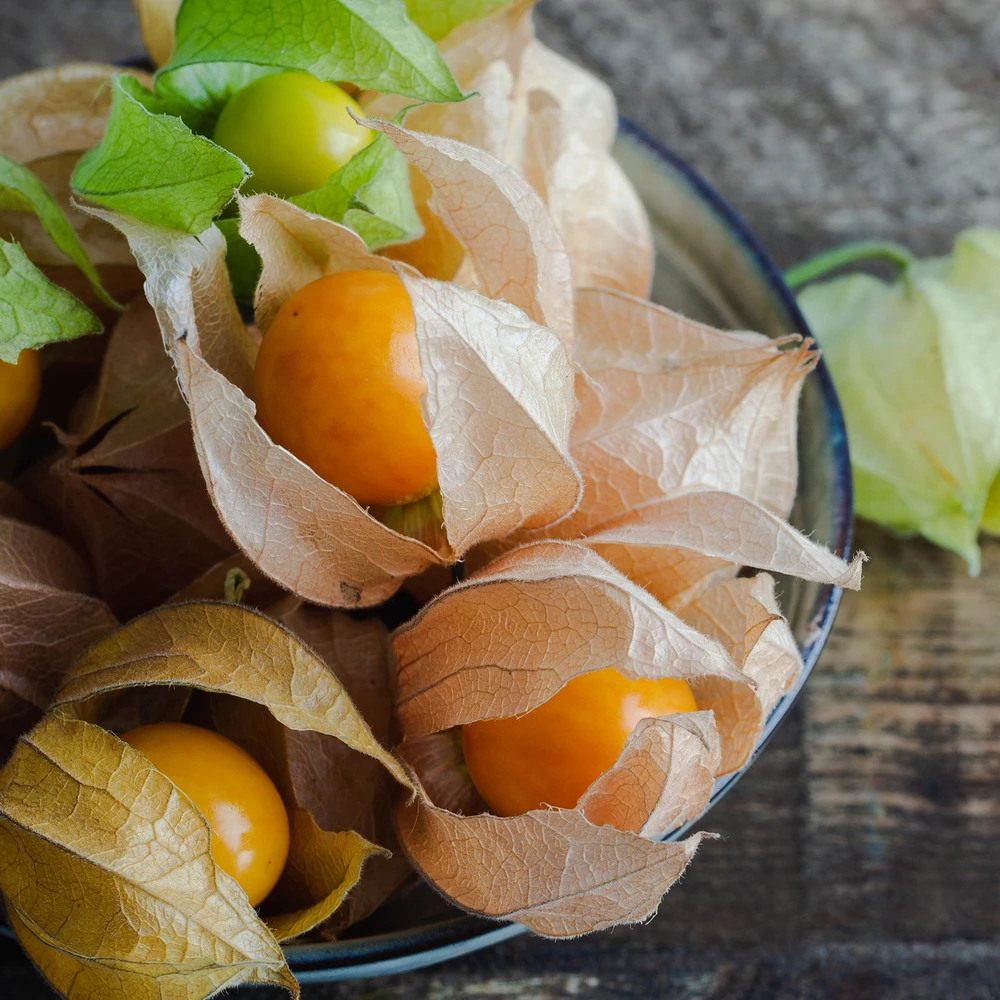
Tomatillos, or "little tomatoes" in Spanish, are as popular across the Americas today as they have been for millennia. Sometimes referred to as ground cherries, the small berries provide a tomato-esque flavor and acidity to dishes and are excellent in sauces and relishes, such as salsa verde. Tomatillos are hardier than other tomato varieties, resisting hot weather, drought, and pests that often plague tomato crops. They also prevent weed growth in the garden, are excellent spreaders, and yield a large amount of fruit. These Heirloom Tomatillo Seeds are part of The Seeds That Built America collection by Harvesting History and are made in the USA!
Planting and Care
Plant in a location with full sun. Sow 6 weeks indoors before transplanting outside, or sow directly in the ground as soon as the danger of frost has passed and the soil reaches and remains at 70 degrees Fahrenheit or above. Tomatillos require well-drained, fertile soil with a slightly acidic pH. Sandy or loamy soil is ideal and helps prevent root rot. Amend the soil with compost. Plant seeds at a depth of 1/2 inch, 24-30 inches apart in rows separated by at least 24 inches. Tomatillos will displace weeds but require room to spread. They thrive in dry conditions and are pest-resistant, making them hardier than tomatoes.
Seeds germinate in about 10-21 days and mature in 75 days. A husk forms around the fruit. Harvest tomatillos when they fill out the husk or as the husk starts to brown. Plants are very prolific, producing hundreds of yellowish-orange fruits.
Inspiration
Tomatillos have been on the planet longer than humans. A tomatillo plant fossil was found in Patagonia at the southern tip of Argentina, dating to 52 million years ago!
The name tomatillo comes from the Aztec Nahuatl word tomatl. The native inhabitants of the Americas cultivated the tomatillo as early as 800 BCE, and today the fruit remains an important staple in the diets of North, Central, and South American cultures.
Eighteenth-century Williamsburg was the home of many ardent gardeners and plant collectors who often exchanged seeds with fellow enthusiasts in Great Britain. Gardeners obtained their seeds from store merchants or from traveling seedsmen. Today, the Colonial Williamsburg seed program continues the tradition by offering many varieties grown in the 18th century.